(And How to Quiet Them Without Changing Your Whole Life)
So last weekend, we did something very unlike our usual routine..
We went out to watch Michael.. and honestly, I wasn’t expecting much from it.. But oh… what an experience.
The intensity, the detailing, and Jafar’s performance? Unsettlingly precise. The kind where you forget you’re watching someone act..

But here’s the strange part.
The ending felt incomplete. Almost bizarre. It left this lingering feeling.. not exactly dissatisfaction, but a quiet restlessness.
And that feeling stayed.
The past few days had already been heavy in that low, unexplainable way. Not dramatic stress. Not chaos. Just… a steady mental hum.. something you can’t explain ..
So we did the most unambitious thing possible..
We ate good food ( junk food 😂) watched random movies, walked around without a plan..
No clubs. No loud music. No “let’s make the most of the weekend” pressure.
Just simple, slow comfort.
Maybe it’s age. Maybe it’s awareness.
But I’ve realised something..
we don’t always need excitement to reset. We need ease.
And that’s exactly what led me here.
It’s the low, steady pressure sitting quietly in your chest on an ordinary Tuesday.
That’s the stress I want to talk about.
Before we go further, I want to say this sincerely.
I’m honoured to share this space with women who are intentionally choosing calmer, more meaningful lives. Slow living wasn’t something I grew up understanding. I didn’t even have language for it ten years ago—only a quiet knowing that something needed to change.
7 Hidden Stress Triggers You Might Be Ignoring
(And simple ways to reduce daily stress naturally)
1. Mental Clutter from Unfinished Tasks 🧠
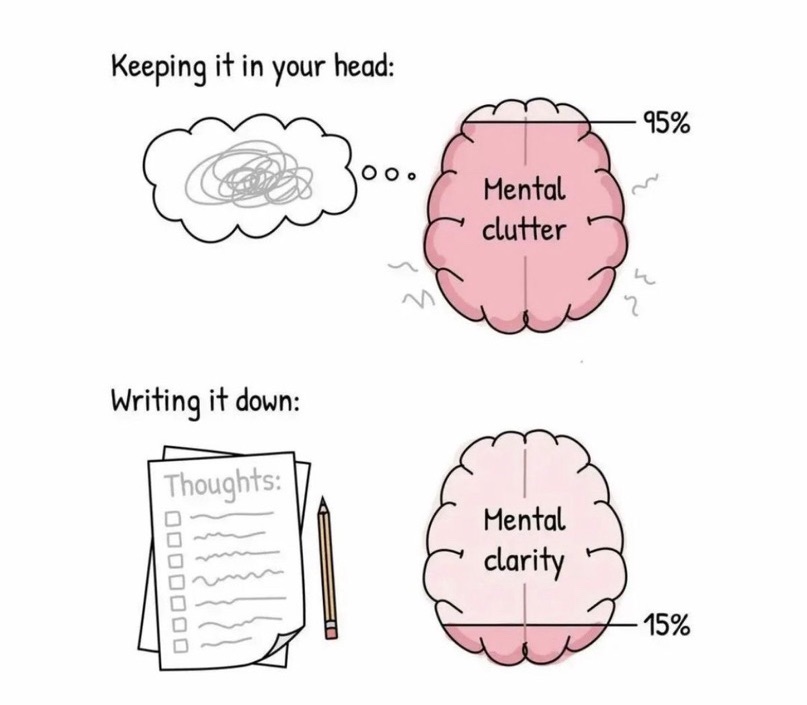
One of the biggest hidden stressors is open mental loops..
Book the appointment.
Reply to the message.
Research that thing.
These tiny reminders create constant background anxiety.
Stress relief tip:
Keep a “Parking List” .. not a productivity list, but a brain-dump list. Write every lingering thought down. When your mind sees it’s recorded, it relaxes.
This is one of the simplest ways to reduce mental overload.
2. Constant Digital Noise
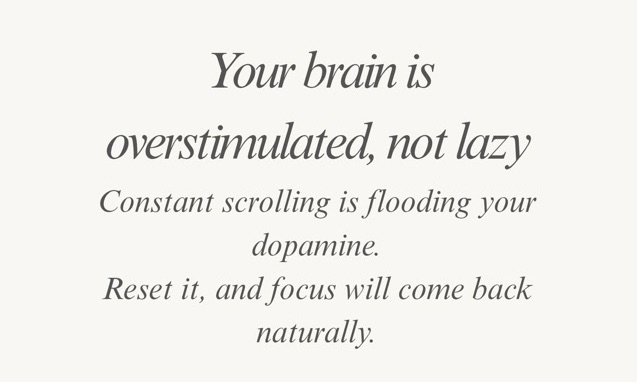
If the TV runs for background sound, notifications buzz every few minutes, and short videos fill quiet gaps, your nervous system never fully rests.
Silence feels uncomfortable at first because we are not used to it.
Try this:
Create one hour of intentional quiet daily. No music. No scrolling. No input.
Silence is a powerful stress management tool.
Your thoughts may feel loud initially. Then they settle.
3. Subtle Self-Monitoring
Adjusting your clothes repeatedly.
Fixing your hair.
Checking your reflection.
This constant awareness of how you look drains energy.
Confidence is calming. Overchecking is exhausting.
Choose comfort. Accept the mirror once. Move forward.
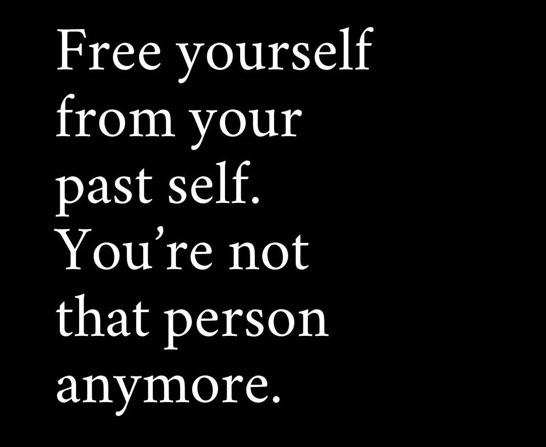
4. Comparing Yourself to a Past Version
Trying to live up to who you used to be creates silent pressure.
Maybe you were more energetic.
More social.
More disciplined.
But growth doesn’t always look like intensity.
You are not meant to preserve an old version of yourself.
Letting go of self-comparison is an underrated form of stress relief.
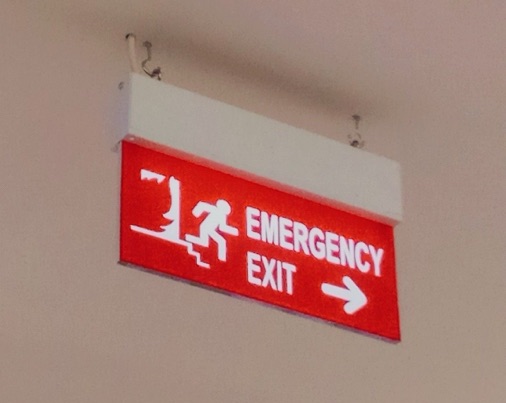
5. The Pressure to Respond Immediately 📱
Messages create artificial urgency.
Not everything requires instant attention.
You are not an emergency service.
Set designated response times.
Protect your mental space.
Healthy boundaries are essential for emotional balance.
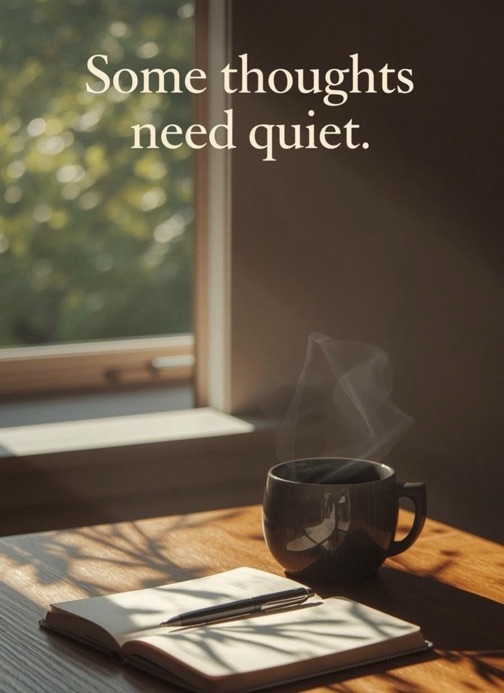
6. Rushing Through Calm Moments
Drinking tea while planning dinner.
Walking while mentally checking off tasks.
Listening while preparing your reply.
Stress doesn’t only come from difficult moments.
It also comes from not fully experiencing peaceful ones.
Try this:
When you sit with tea, just sit. No multitasking.
Mindful presence is one of the most natural ways to calm anxiety.
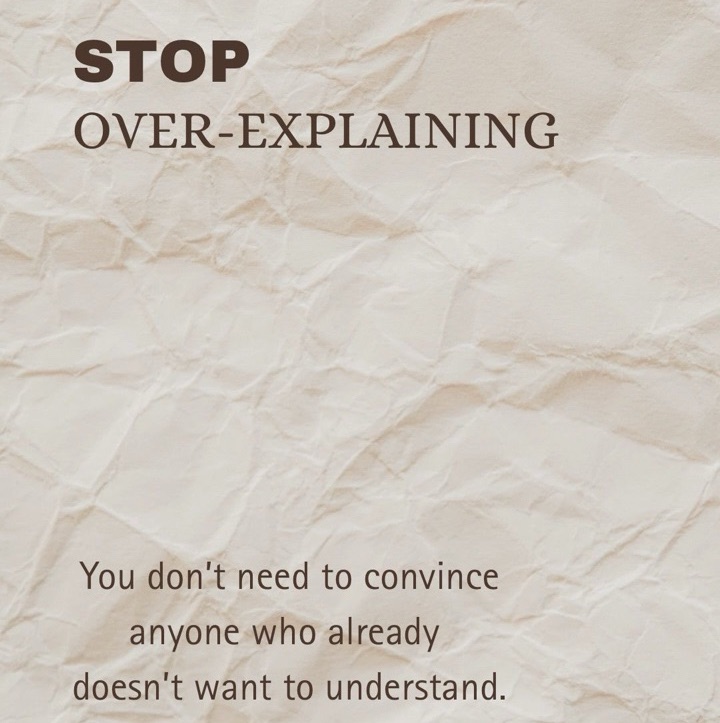
7. Over-Explaining Your Choices
Explaining why you’re resting.
Why you’re skipping something.
Why you’re choosing differently.
The need for constant justification is emotionally draining.
Calm people don’t over-defend their boundaries.
They move with quiet certainty.Reducing explanation reduces stress.
The Solo Reset Ritual ✨
A Sophisticated Monthly Stress-Relief Practice
Awareness is powerful. But embodiment is transformative.
Once a month .. or even once every few weeks .. design a structured solo reset ritual.
Not random self-care.
A refined pause.
Step 1: Step Out
Visit a café, bookstore, park, or quiet restaurant alone.
Dress intentionally. Sit without rushing.
No scrolling. Observe. Reflect. Write.
Changing your environment resets mental patterns.
Step 2: Transition Gently
When you return home, don’t jump into tasks.
Wash your face. Change into comfortable clothes. Drink water.
Create a psychological shift from outer world to inner calm.
Step 3: Curate the Atmosphere
Light candles.
Play soft music.
Dim the lights.
Environment deeply influences stress levels.
Step 4: Physical Reset
Warm shower or bath.
Hair oil massage.
Face mask.
Simple manicure or pedicure.
Touch and warmth signal safety to the nervous system.
Step 5: Emotional Release
Journal one page.
Write what’s draining you.
Write what you are choosing to release.
Then sleep early.
This ritual combines novelty, sensory calm, and emotional clarity .. a powerful formula for stress reduction and mental wellness.
It reminds you that your life is not only responsibilities.
Slow living is not about aesthetic routines or perfect mornings.
It’s about reducing internal noise so you can experience your real life more fully.
Ten years ago, I didn’t know this language. I only knew I felt tired in a way sleep couldn’t fix.
Now I understand something profound:
Calm is engineered.. Not loudly.. Not dramatically.. But intentionally.
And if you are here, choosing awareness over autopilot, you are already creating something rare.
Not louder.
Not busier.
But deeply regulated.
And that is true sophistication.
Love,
Dolly🌿

 The Dolly's Diary
Leave a comment